From Technology Project to Business Crisis
Technology failures are often described as IT incidents.
The reality is very different.
When a business critical platform fails inside a large organisation, the consequences rarely remain within the technology department. They spread across operations, financial performance, governance structures, shareholder confidence, and ultimately executive leadership.
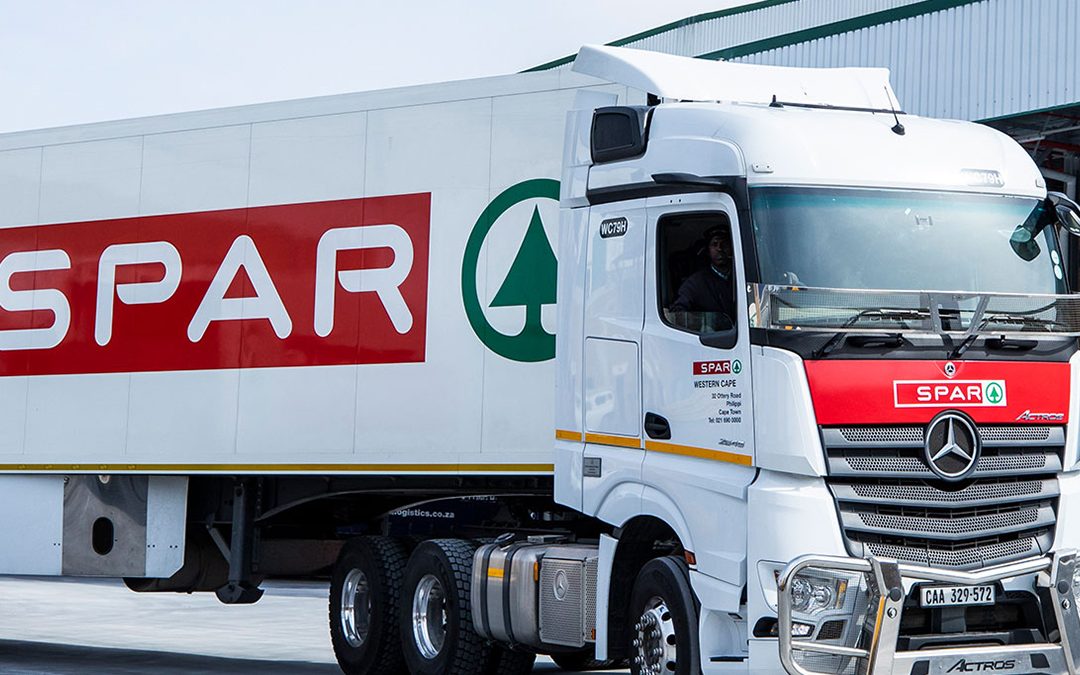
SPAR’s widely reported SAP implementation challenges provide a powerful example of how software and transformation risk can escalate far beyond the original project scope.
What began as a technology implementation issue evolved into a business event with operational, financial, legal, and leadership consequences.
The Cost of Failure
The numbers alone tell a significant story.
Public reporting linked the failed SAP implementation at SPAR’s KwaZulu Natal distribution centre to more than R1.6 billion in lost turnover and approximately R720 million in profit impact. A damages claim of R168.7 million followed.
Yet the longer term consequences may be even more important than the immediate financial losses.
Over time, the impact expanded beyond supply chain disruption and operational inefficiencies. Investor confidence came under pressure. Leadership changes followed. Organisational restructuring became necessary. What initially appeared to be a technology problem became a governance challenge.
When Governance Comes Under Pressure
Two chief executives exited during the period shaped by the implementation and recovery process.
Former CEO Brett Botten departed in early 2023 amid governance concerns surrounding the project. Angelo Swartz, who led the organisation through much of the recovery effort, has since resigned following a period marked by significant operational and strategic complexity.
Whether every leadership change can be directly attributed to the SAP implementation is ultimately a matter for SPAR and its board.
What is undeniable is the pattern.
When enterprise systems fail at scale, consequences compound.
Operational disruption becomes financial loss.
Financial loss attracts litigation.
Litigation drives governance scrutiny.
Governance scrutiny reaches the boardroom.
The Real Lesson for Boards
This progression should serve as a warning to organisations undertaking large transformation programmes.
Digital transformation is not inherently dangerous.
In fact, most organisations have little choice but to modernise systems, improve processes, and adopt new technologies to remain competitive.
The real lesson from SPAR is not about avoiding transformation.
It is about understanding that business critical systems create business critical dependencies.
When software platforms support distribution, finance, customer service, inventory management, or revenue generation, they become operational infrastructure.
The failure of that infrastructure creates exposure that is measurable, reportable, and increasingly visible to shareholders, regulators, and auditors.
A Shift Towards Better Risk Management
This is why SPAR’s more recent approach to transformation deserves attention.
Following its earlier difficulties, the group has reportedly chosen to separate key workstreams rather than attempting to integrate finance, warehouse, and distribution functions simultaneously.
That decision reflects a shift in risk management thinking.
Rather than assuming every component of a transformation programme can be delivered at once, the strategy acknowledges execution risk and seeks to reduce it.
That is what mature operational resilience looks like.
The Questions Every Organisation Should Ask
The organisations that manage major technology change most successfully are rarely those that expect everything to proceed perfectly.
They are the organisations that plan for disruption before it occurs.
They ask difficult questions before systems go live.
What happens if implementation fails?
What happens if a critical supplier cannot stabilise the platform?
What happens if support becomes unavailable?
What happens if access to critical software assets is required?
How long can the business tolerate disruption?
What continuity measures are already in place?
These are no longer technical questions.
They are governance questions.
Resilience Requires More Than Project Success
Across regulated industries, operational resilience is receiving increasing attention from regulators, auditors, boards, and risk committees. Organisations are expected to understand their dependencies, assess potential points of failure, and demonstrate credible continuity arrangements for critical business functions.
This is where software resilience measures become important.
Business continuity planning, recovery testing, vendor risk management, and software escrow arrangements all serve a common objective.
They ensure that organisations retain options when technology suppliers fail, support arrangements break down, or critical software becomes unavailable.
Software escrow does not prevent implementation mistakes.
It does not guarantee project success.
What it does provide is an independent continuity mechanism when a software supplier can no longer fulfil its obligations due to insolvency, business failure, acquisition, withdrawal of support, or other disruption.
That distinction matters.
Too many organisations focus exclusively on project delivery risk while overlooking supplier dependency risk.
The two are different.
A successful implementation can still leave an organisation exposed if it remains entirely dependent on a third party software provider for ongoing operation and support.
Why Continuity Is a Board Responsibility
The broader lesson from SPAR is clear.
Technology risk is no longer confined to IT departments.
It is operational risk.
It is financial risk.
It is governance risk.
And in some cases, it becomes career risk.
When software failure can affect billions of rand in revenue, trigger litigation, reshape leadership teams, and influence market confidence, resilience stops being an optional safeguard.
It becomes a business requirement.
Because when critical systems fail, the impact does not stop at the warehouse.
It reaches the boardroom.
What happened during SPAR’s SAP implementation?
SPAR reported serious operational disruption following the implementation of an SAP system at its KwaZulu Natal distribution centre. The problems affected distribution, product availability, turnover, and profitability.
How much did the SPAR SAP implementation problems cost?
SPAR reported an estimated R1.6 billion in lost turnover. Public reporting has also referred to an estimated R720 million profit impact. These figures should not be interpreted as identical accounting measures.
Why is enterprise software risk a board issue?
Enterprise systems often support revenue, inventory, distribution, finance, and customer service. A serious disruption can therefore affect business continuity, financial performance, legal exposure, and governance oversight.
Could software escrow have prevented the SPAR implementation problems?
No. Software escrow does not prevent poor implementation, weak project management, or configuration problems. It provides a continuity option when critical software, source code, technical materials, or supplier support become unavailable under agreed release conditions.
What should boards ask before approving a major software transformation?
Boards should examine implementation risk, supplier dependency, recovery arrangements, testing, business continuity, data access, contractual protections, and the organisation’s tolerance for disruption.